
Rule of thumb: if your garage door opener was installed before 2019, it probably doesn't have battery backup, and if it was installed in California after that, it almost certainly does. That's the short version. The exceptions are where the arguments start.
The exceptions: some homeowners replace just the opener's logic board or remote without swapping the whole unit, which can leave an older, non-backup motor in place even in a newer garage. Some openers marketed as "smart" or Wi-Fi enabled still don't include a battery, because connectivity and battery backup are two separate features that get bundled together in marketing but aren't the same thing. And a battery backup that's installed can still be dead, disconnected, or past its useful life — which, to a homeowner standing in a dark garage, might as well not exist.
What battery backup actually does
A battery backup system is a sealed battery, usually mounted on or near the opener unit, that keeps the motor running when the power goes out. It doesn't power your lights or your opener's Wi-Fi hub indefinitely — it's there to run the door itself for a limited number of cycles (opening and closing), typically somewhere in the range of 10 to 20 cycles depending on the model, before it needs to recharge off household power again.
It's not a whole-house battery. It's not a generator. It's a single-purpose backup that exists so you can get your car out — or in — when the grid is down.
How it works, in plain terms
Under normal conditions, the battery sits in a charging cradle doing nothing, topped off by the same power your opener uses. When the power cuts out, a sensor detects the loss and automatically switches the opener over to battery power within a second or two. You won't notice anything different when you press the remote — the door opens and closes the same way. The battery then recharges on its own once power is restored, so you're not doing anything manually unless the unit tells you otherwise with a warning light or chirp.
Why this matters more here than it might elsewhere
California has required battery backup on new residential garage door openers sold in the state since 2019, specifically because of how often power gets cut here — not just from storms, but from utility companies proactively shutting off power during high fire-risk, high-wind conditions in the fall dry season. October through December is exactly when those shutoffs tend to happen, and they can last anywhere from a few hours to a couple of days.
Add in winter rain events that occasionally take out coastal power lines, and a garage door that won't open without grid power becomes more than an inconvenience — it can mean a car trapped inside during an actual emergency, or a homeowner manually releasing the door with the emergency cord in the dark, which is its own small hazard if you've never done it before.
Signs your backup battery isn't doing its job
- The opener's indicator light shows a steady fault or warning color instead of standby green
- The door operates normally on power but won't budge when you test it during an outage
- The battery housing feels warm, swollen, or shows corrosion — more common here given salt air exposure on coastal-facing garages
- You hear a single weak attempt at movement followed by silence, which usually means the battery has a charge but not enough to finish a cycle
Most backup batteries last three to five years before they need replacing, shorter if the garage runs hot in summer or sits exposed to salt air near the coast. Heat and corrosion are both harder on sealed lead-acid and lithium battery packs than cold is.
When to call San Clemente Garage Door
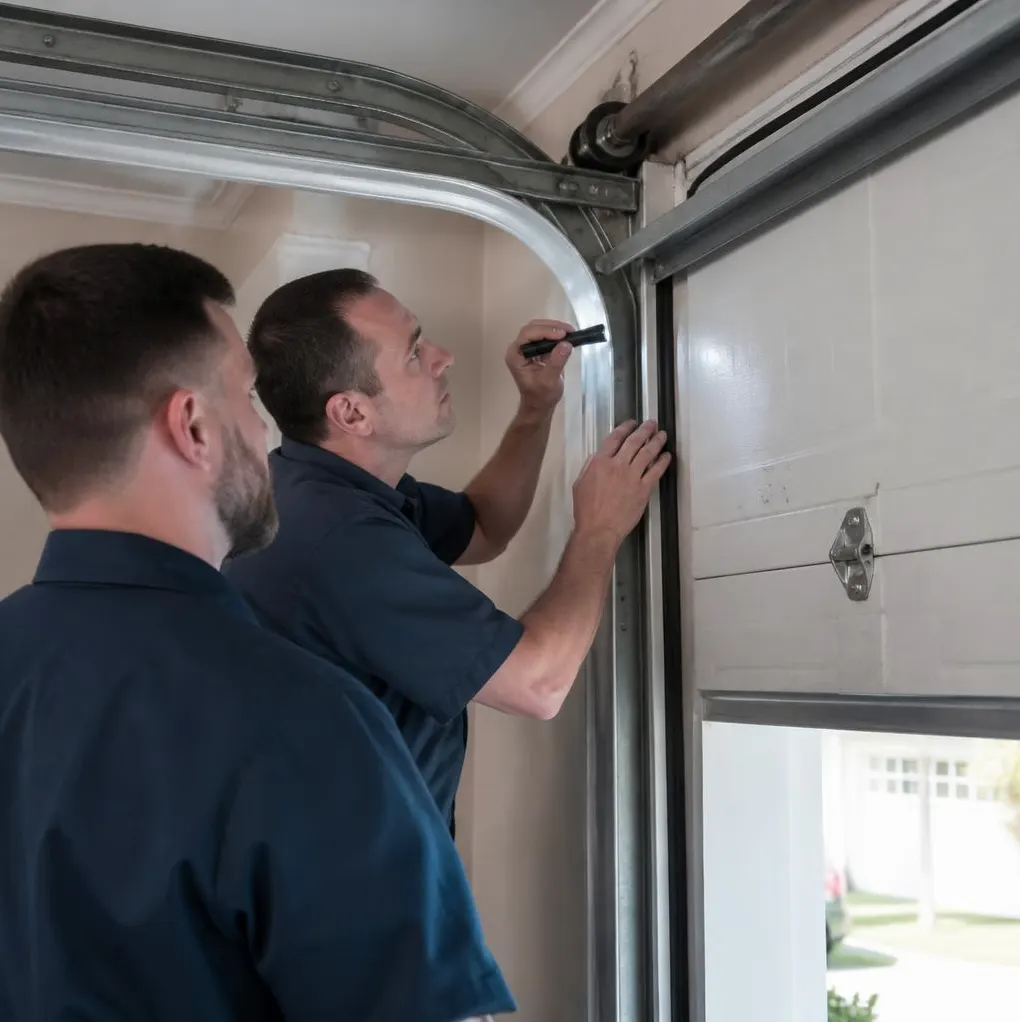
If you're not sure whether your opener has battery backup, whether it's working, or whether it's time to replace a tired unit altogether, that's a quick diagnostic for us. As part of Garage Door Maintenance, we check the backup battery's charge and condition along with the springs, rollers, and sensors — the kind of inspection that catches a dying battery before an outage does it for you. And if your current opener predates the backup requirement entirely, Garage Door Opener Repair & Installation covers swapping in a current model that includes it standard, so you're not relying on a motor that goes fully dead the moment the lights do.
If you're in San Clemente, Dana Point, San Juan Capistrano, or anywhere else in South Orange County and want a straight answer about what's actually installed in your garage, call San Clemente Garage Door — we'll check it, tell you the truth, and fix whatever needs fixing.